
Know Before You Burn: Your Guide to Fire Safety + Grand County Fire Restriction Levels
Hopefully you've had a chance to read the first and second posts in this Be Wildfire Ready series! If so, you've probably knocked out those four quick and easy prep steps and maybe even started exploring some of the home and neighborhood mitigation resources Grand County Wildfire Council has to offer. If you're just tuning in, feel free to go back and catch up when you get a chance. Preparing our homes and properties for wildfire is obviously important, but so is doing everything we can to prevent wildfires from getting started in the first place! According to the U.S. Forest Service, nearly 85% of wildfires in the United States are caused by humans: cigarettes, campfires, fireworks and even sparks from a trailer chain can ignite a small fire that can spread quickly. Prevention is a community effort, and a big part of it is being informed: knowing the fire safety basics and understanding what it means when fire restrictions are put in place across the county. So I've pulled together everything you need to know about fire safety and local fire restrictions, with the hope that we can all do our part to keep Grand County green this summer!
FIRE SAFETY
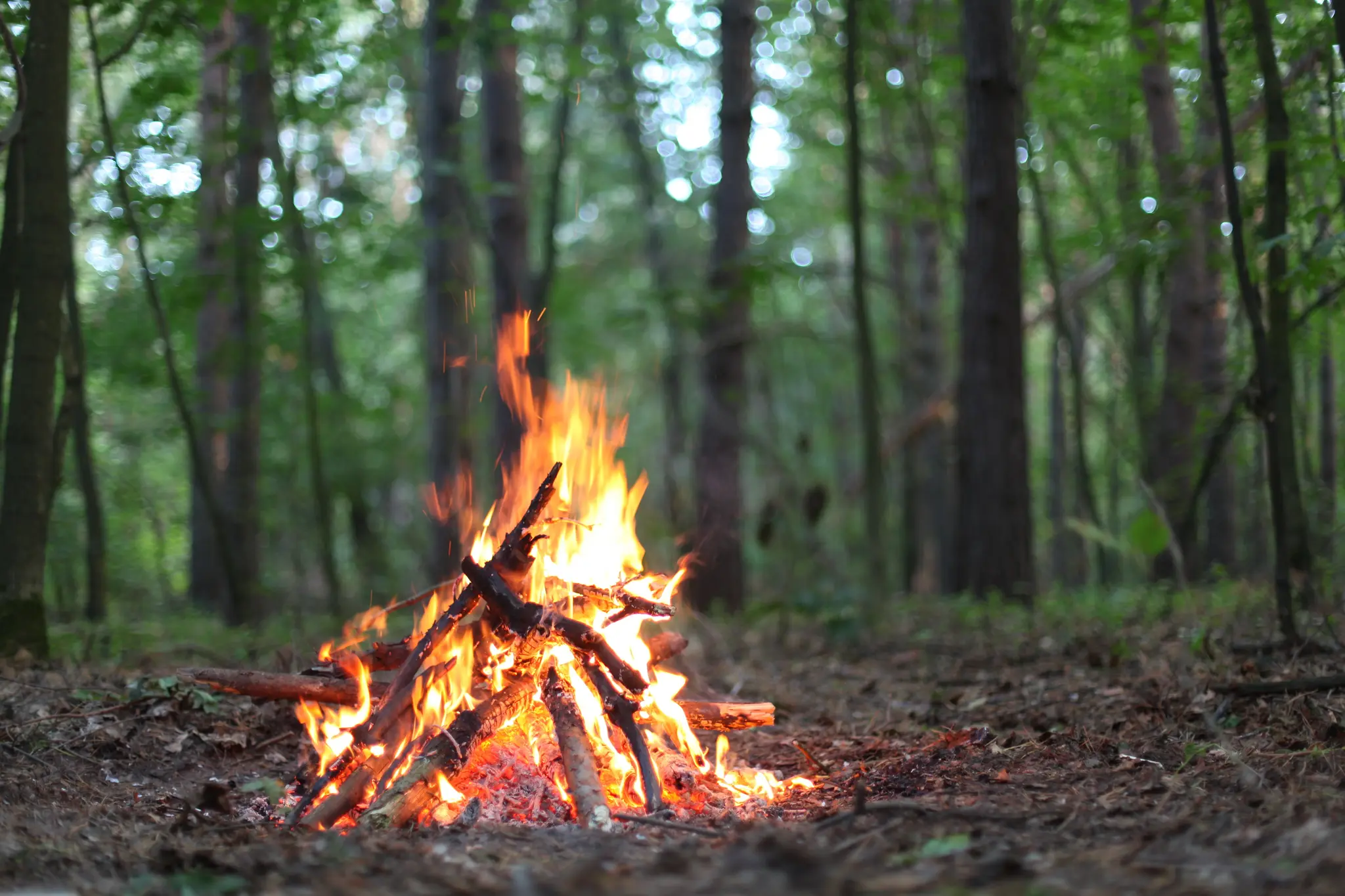
 Every Grand County resident and visitor should be in-the-know around fire safety. We all want to have a campfire or make s'mores in the backyard fire pit, and we can do it wisely! Here are a few tips to ensure you're doing everything you can to prevent wildfires and burn responsibly:
- Check current fire danger before you burn. Before starting any outdoor fire, check the current fire danger and restriction status.
- Never burn in high winds or leave a fire unattended. Wind is one of the biggest factors in how quickly a fire spreads! If it's a breezy day, it's not the day for a campfire. And if you're stepping away (even for a few minutes), be sure to put it out first.
- Keep campfires small and contained. Recreational fires should be no more than three feet in diameter and two feet in height, surrounded by a metal ring, and located at least ten feet away from anything that could catch fire. When in doubt, smaller is always better.
- Only burn firewood. It might seem obvious, but this one is worth saying out loud. No trash, no cardboard, no construction scraps, no treated wood - just firewood!
- Keep fire suppression tools nearby. A shovel, a bucket of water, and a fire extinguisher should always be within reach when you have a fire going. Hopefully you won't need them, but you'll be grateful they're there if you do!
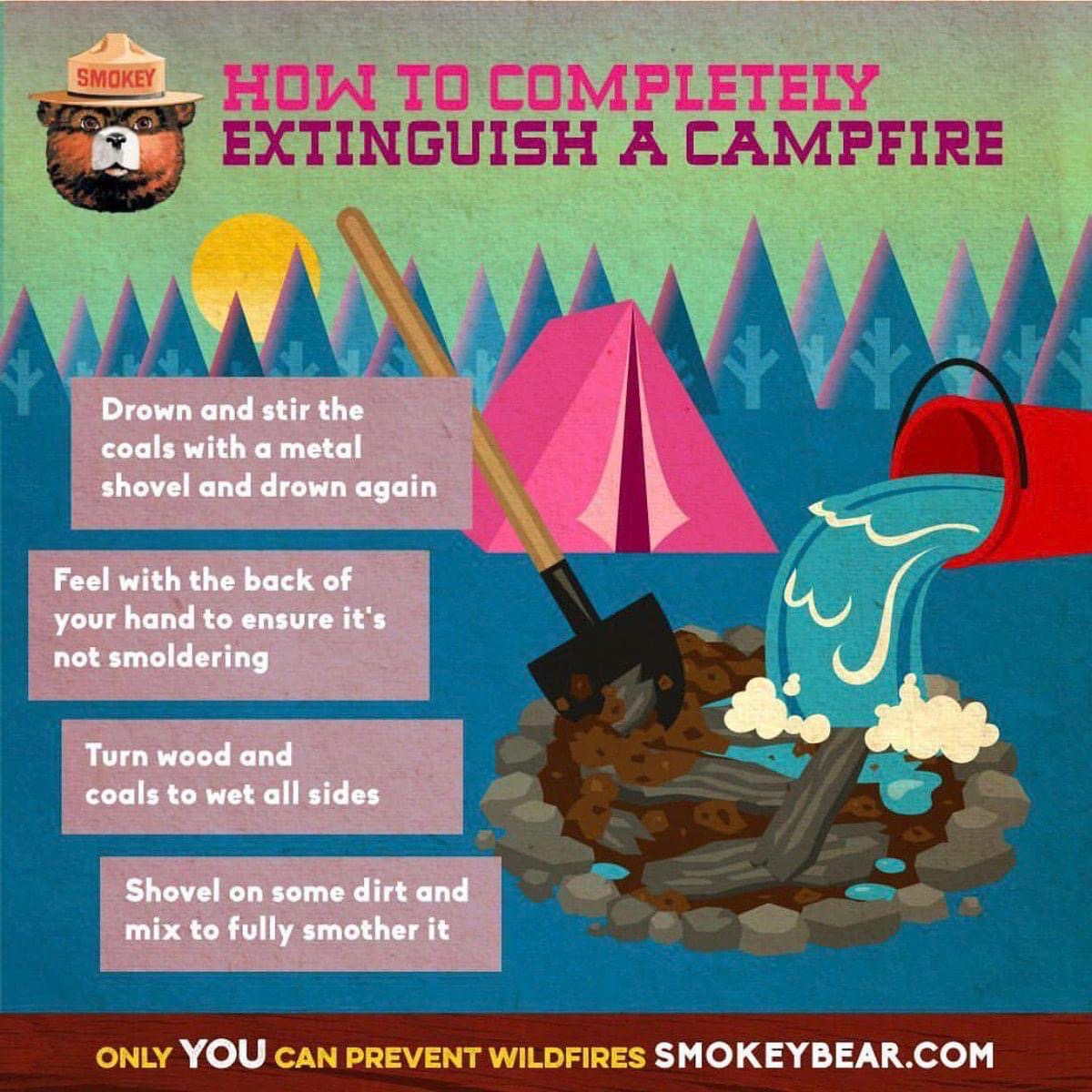
- Extinguish completely before you leave or go inside. Drown the fire with water, stir the ashes, and drown it again. If it's not cold to the touch, it's not out.
- And one more wildly important thing to be aware of: never discard a cigarette on the ground or toss one out a car window. It sounds small, but it's one of the most common causes of human-started wildfires (especially in dry conditions like we're seeing this year).
WHAT NOT TO BURN
 It can hard to keep up with burning regulations, but the bottom line is to only burn firewood. Here's a list that applies regardless of what restriction stage is in effect or what time of year it is. These are the year-round, no-exceptions rules for Grand County:
- You can never burn food waste, plastic, rubber, tires, insulation, treated or coated wood products, motor oil, aerosol cans, or anything else that produces heavy smoke or toxic fumes. Construction debris is also out (including both clean and treated wood scraps).
- And if you're thinking about burning an old outbuilding or structure for demolition purposes, that requires a separate permit process through the Planning and Zoning Department, not an open burn permit. Learn more about Grand County's open burn permit process here
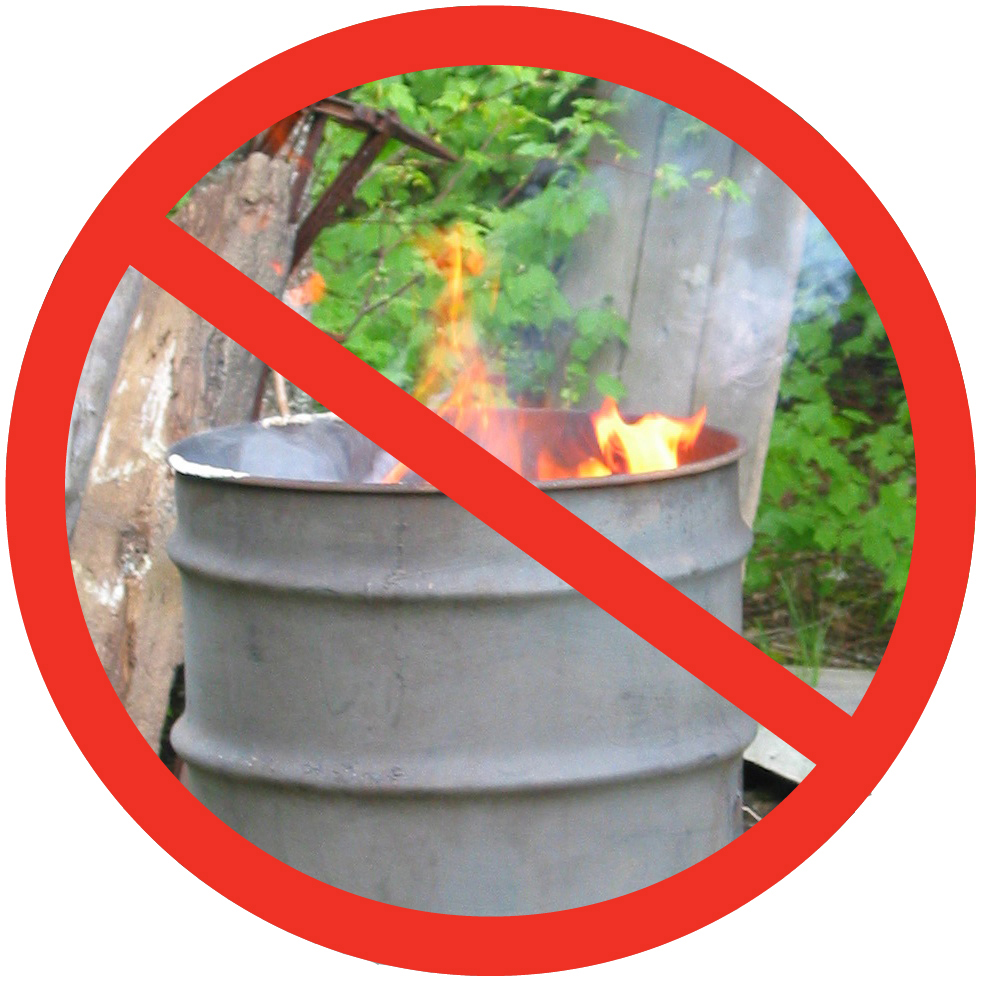
- Burn barrels are off the table in Grand County. They're considered incinerators under state law, which means they're subject to construction permits and federal and state testing regulations. There are plenty of alternatives to burning for getting rid of debris: chipping (check out the free community chipping days courtesy of Grand County Wildfire Council), composting kitchen scraps and yard debris, or hauling materials to the landfill. And if you're not sure whether something is okay to burn, the easiest way to know for sure is to contact Grand County Natural Resources.
SLASH PILE + OPEN BURNING
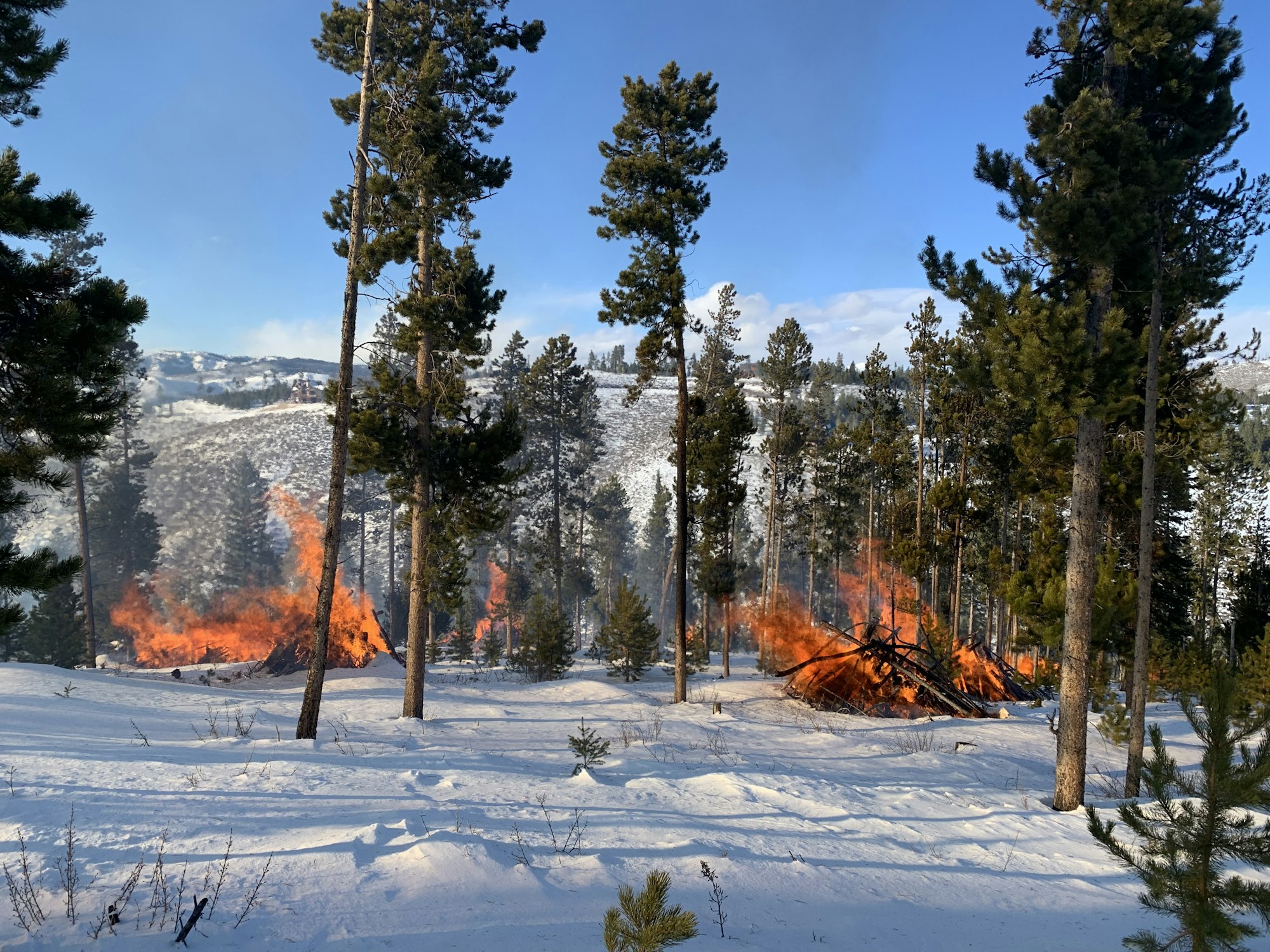 Slash pile burning (burning the wood debris and brush you've cleared from your property) can be a really effective mitigation tool when done correctly. But in Grand County it requires a permit, and there are some important rules worth knowing before you burn. Grand County Natural Resources (GCNR) regulates the burning of slash piles larger than campfire size on private lands, and burn permits are required before any burning activity takes place. The burn season in Grand County generally opens when there's enough snow on the ground and runs until approximately April 1, depending on snowpack. So think of slash pile burning as a late fall or early spring activity, not a summer one. And even if you have a valid burn permit, it doesn't mean you can burn on any given day: permit holders are required to call GCNR on the day of the proposed burn to confirm that weather and air quality conditions allow for it. If you've got a pile of debris from mitigation work that you need to deal with now, remember that community chipping days are a great alternative!
RED FLAG WARNINGS
 Even when fire restrictions aren't officially in effect, there's another important thing to keep an eye on throughout fire season: Red Flag Warnings. A Red Flag Warning is issued by the National Weather Service when a combination of weather conditions (typically high temperatures, low humidity, and strong winds) could result in extreme fire behavior. It's the kind of conditions when a small spark can escalate very quickly. On Red Flag Warning days, outdoor burning is strongly discouraged even if it's technically allowed under current restriction levels. The National Weather Service updates Red Flag Warnings daily, and it's worth checking while you check your daily weather forecast. When a Red Flag Warning is in place, it's a good day to hold off on the campfire and enjoy Grand County's jaw-dropping scenery without the added risk!
FIRE RESTRICTIONS: WHO MAKES THE CALL?
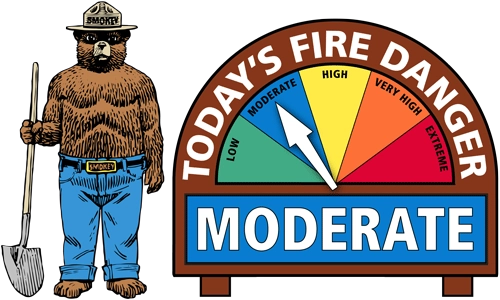 You might be wondering who makes the call on fire restrictions and how they decide. Basically, several different agencies have a say. Federal agencies like the U.S. Forest Service and BLM can impose restrictions on the public lands they manage (and Grand County has a lot of public land) while the state can set restrictions on state-managed land. At the local level, counties and cities can impose bans on private lands within their borders. In Grand County, our county commissioners make the call for county-wide restrictions. In some cases multiple layers of restrictions may apply at the same time should multiple agencies have restrictions in place. Decision-makers use a fire restriction matrix to determine the need for fire restrictions, taking into account things like fuel moisture, weather conditions, and current fire activity. So even if the fire danger is marked "very high," it might not translate to restrictions being put into place if the matrix indicates otherwise.
  It can be hard to keep up with, but fire restriction information can change quickly, sometimes within hours during periods of high fire danger. The county will post signs and do their best to spread the word when restrictions are in place, but it's always good to double check before you burn. You can hop on the Grand County Wildfire Council's site to get up-to-date fire restrictions. Or you can call the Grand County Fire Restrictions phone line to get a recording with current restrictions. I like to make a habit of checking Grand County Wildfire Council's Fire Restriction page just to make sure I'm in-the-know during wildfire season!
THREE STAGES OF FIRE RESTRICTIONS
Whether you're planning a camping trip in the beautiful Rocky Mountains, a lakeside barbecue in the three lakes region, or a cozy backyard fire this summer, knowing local fire restrictions and what they mean is key when considering building a campfire or even grilling out!
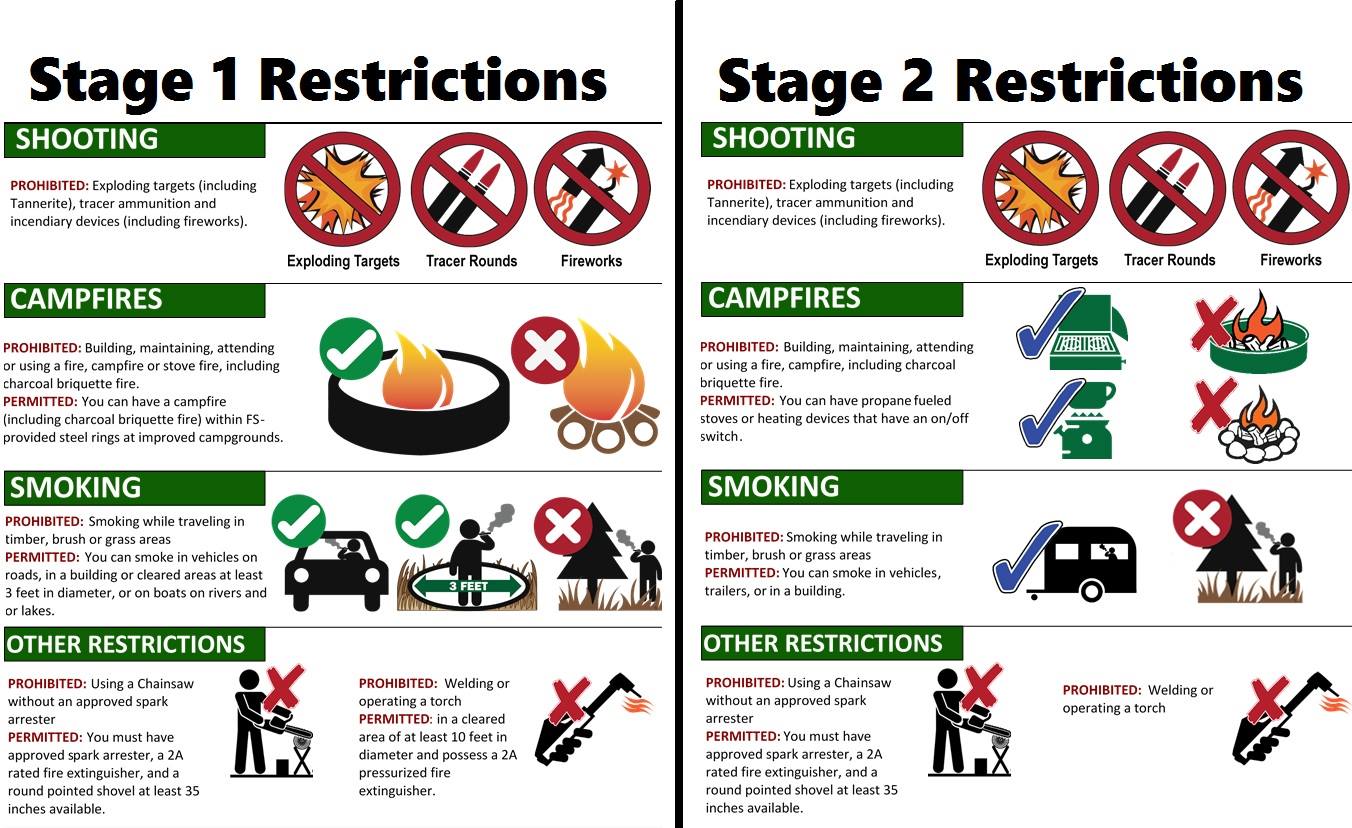
STAGE 1 RESTRICTIONS
Stage 1 goes into effect when fire danger is on the rise. Restrictions at this stage are targeted and relatively focused. The goal is to reduce the human activities most likely to spark a wildfire without shutting everything down. Here's what you need to know:
What is Allowed:
- Open fires in developed campgrounds or picnic areas with permanently constructed fire grates and/or charcoal grills
- Fires contained within liquid or gas fueled stoves, lanterns, heating devices, and approved wood pellet grills and stoves
- Open fires at private residences within permanent or portable outdoor fireplaces, fire pits, chimineys, and/or grills
- Permitted, professional fireworks displays
What is NOT Allowed:
- Building, maintaining, attending, or using an open fire outside of a developed recreation site (no dispersed campfires in forested areas)
- Smoking, except within an enclosed vehicle or building, a developed campground or picnic area, or while stopped in an area at least three feet in diameter that is clear of all combustible materials
- Welding or operating torches with open flame, except in an area at least ten feet in diameter that is clear of all combustibles
- Operating a chainsaw without a USDA or SAE approved spark-arresting device properly installed and in working order
STAGE 2 RESTRICTIONS
Stage 2 means fire danger has escalated to high or extremely high, and restrictions tighten significantly. At this stage the County has determined that keeping our communities safe outweighs the economic and social impacts of more serious restrictions. Things get significantly limited here, so it's definitely worth knowing exactly what's allowed and what isn't:
What is Allowed:
- Use of liquid or gas fueled stoves and appliances
- Fires inside the home of private residences
- Fires used to inflate commercial hot air balloons
- Permitted fires by persons with a permit specifically authorizing the prohibited act, such as professional fireworks
What is NOT Allowed:
- Building, maintaining, or using an open fire of any kind outside the home, whether on public or private land
- Operating an internal or external combustion engine without an approved spark-arresting device properly installed and in working order
- Smoking outside
- Welding or operating torches with open flame
- The use of explosives
- The possession, use, and sale of typically permissible fireworks
STAGE 3 RESTRICTIONS
Stage 3 is the most serious level and, thankfully, uncommon. Considered "full closure," it's worth clarifying what "closure" actually means: Stage 3 is specifically a public lands closure, not a countywide shutdown of everything. At this stage, all Stage 2 restrictions are in place + all entry to National Forest lands is prohibited due to extreme fire danger, meaning we can't enter any National Forest lands, roads, or trails. In some cases only specific geographic areas are closed; in others, the entire forest is shut down. All projects happening on those lands (forest restoration, trail maintenance, campsite upkeep) are put on pause until the closure is lifted. Since the Arapaho and Roosevelt National Forests cover a significant portion of our backyard, Stage 3 closure essentially means a large chunk of the recreational land we all love is off limits. And importantly, Stage 3 doesn't only happen in response to an active fire; it can be a preemptive measure when fire danger reaches such an extreme level that even Stage 1 and 2 restrictions are no longer enough to manage the risk. The goal is to virtually eliminate the potential for human-caused fire starts before one happens.
NOW YOU'RE WILDFIRE READY!
And that's a wrap on the Be Wildfire Ready series! If you've made it through all three posts, you've got your GC Alerts set up, your address sign ordered, your evacuation zone locked in, your fire info sources bookmarked, a plan for hardening your home and property, and now a solid understanding of fire safety and what local restrictions mean when they're in place. Feel free to reach out with any questions or to get a local contractor recommendation for fire mitigation work - I'm always here as a resource for you! Here's to a safe and wildfire-free summer in Grand County!
Posted by Leah Bishop onEnjoy this blog post? Click here to subscribe for updates
Leave A Comment